Getting to know traditional Chinese tea ceremonies is like stepping into a warm hug. These ceremonies are all about appreciating the beauty of tea, the art of brewing, and the joy of sharing it with others. It’s not just about drinking tea; it’s about connecting with friends and family while creating a moment that feels special.
At its core, a traditional Chinese tea ceremony is a mindful practice. You’ll see high-quality tea leaves, usually from famous regions like Fujian or Yunnan. The ceremony often starts with preparation, which includes warming the teapot and cups. This step is important because it gets everything ready for the fantastic flavors to come. You’ll love watching the leaves unfurl as you pour hot water over them. It’s mesmerizing!
During the ceremony, the focus is on each step. The host carefully measures the leaves, controls the water temperature, and times the steeping perfectly. This attention to detail makes all the difference in flavor. Not only does it provide delicious tea, but it also creates a soothing atmosphere. Guests often take turns sipping tea, savoring each sip together and enjoying the moment.
If you're interested in experiencing traditional Chinese tea ceremonies explained in more detail, try to find a local tea shop or cultural center. Participating really gives you a sense of the tradition and values behind this beautiful practice. It’s a great way to dive into a centuries-old culture, making every cup of tea feel like a little celebration of history and friendship.
Essential Tools for Your Tea Ceremony
If you’re diving into Traditional Chinese Tea Ceremonies Explained, you’ll want to have the right tools on hand. These essentials really make a difference, whether you’re aiming for authenticity or just want to impress your friends at your next tea party.
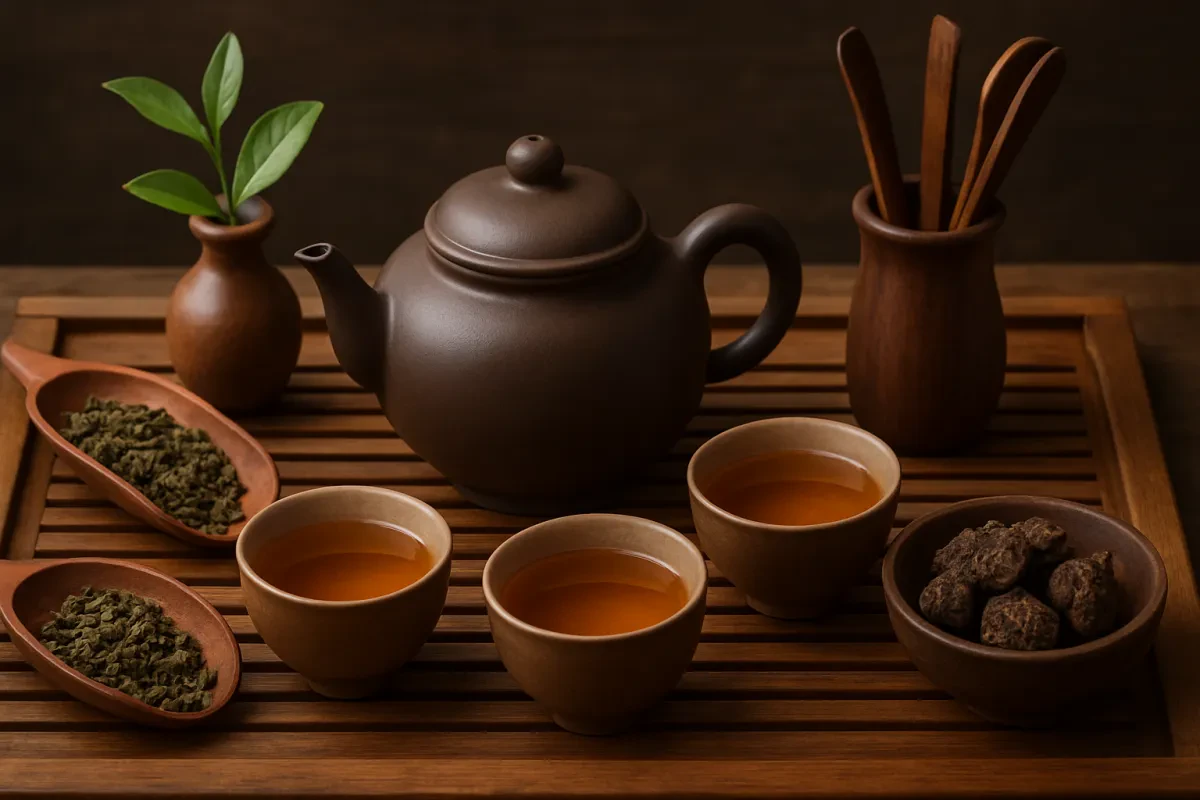
First up is the Gaiwan. This little porcelain marvel is a must-have. It consists of a cup, lid, and saucer, making it perfect for steeping loose leaf tea. The lid helps control the temperature and keeps your tea leaves contained, so you get a lovely brew every time.
Next, consider getting a Yixing teapot. Made from special clay, this type of teapot absorbs the flavors of the tea over time, enhancing the taste of each brew. It's not just functional; it adds a real touch of elegance to your ceremony. Plus, it’s a great talking point for anyone curious about Traditional Chinese Tea Ceremonies Explained.
Don’t forget about a tea kettle that brings water to precisely the right temperature. Different teas require different temps to really shine. A kettle with temperature settings takes the guesswork out, ensuring you brew your green, oolong, or black tea just right.
Finally, every tea ceremony needs a good set of tea cups. Choose small, handle-less cups for an authentic experience. They let you appreciate the tea's aroma and flavor better. Having a set that matches your Gaiwan adds a nice touch and keeps the vibe cohesive.
Popular Types of Chinese Tea Used
When diving into the world of Traditional Chinese Tea Ceremonies Explained, it's essential to know what types of Chinese tea you might encounter. Each variety brings its own flavor and story. Here’s a quick look at the popular ones.
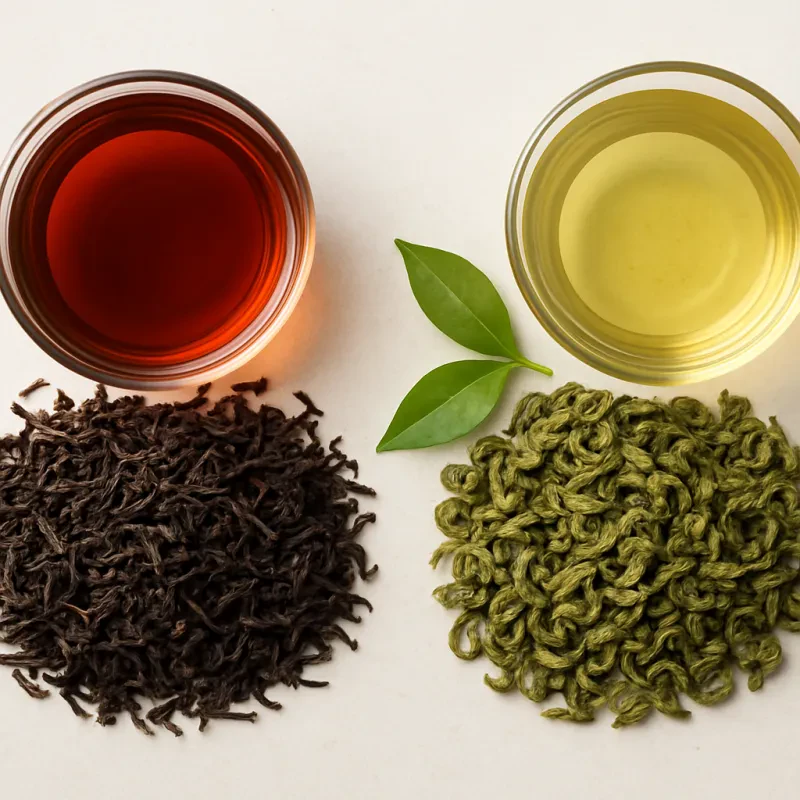
Green Tea is like the go-to choice for many tea lovers. It's fresh, light, and packed with antioxidants. Dragon Well (Longjing) is a famous green tea that’s handpicked in Hangzhou. It has a slightly nutty taste that's just delightful!
Black Tea (known as red tea in China) offers a bold and rich flavor. Keemun tea is a standout, known for its floral aroma and slightly smoky notes. Perfect for those who love a stronger brew.
Oolong Tea bridges the gap between green and black tea, with a unique flavor profile. Tie Guan Yin, or Iron Goddess of Mercy, is a popular choice. It has a smooth, creamy texture and a sweet, fragrant taste.
Pu-erh Tea is a fermented tea that gets better with age. Its earthy tones can be an acquired taste, but many swear by its health benefits. It's truly unique in every sip, making it a fascinating choice for Traditional Chinese Tea Ceremonies Explained.
Tips for Hosting Your Own Ceremony
Hosting your own ceremony can be a delightful and rewarding experience. If you’re diving into traditional Chinese tea ceremonies explained, here are some tips to make it memorable.
First, pick the right tea. Oolong is a popular choice, but you can also try green or black tea depending on your vibe. Keep in mind that different teas have unique flavors and aromas, which can totally change the atmosphere of your gathering. Grab some high-quality loose leaf tea for an authentic experience.
Next up, gather your teaware. A traditional set usually includes a teapot, tea cups, and a serving tray. Don’t stress if you don’t have everything; you can make do with what you have. Just make sure your items are clean and ready for use. Presentation matters in these ceremonies, so take a little time to arrange everything nicely.
Creating a serene atmosphere helps everyone relax and appreciate the moment. Dim the lights, play some soft music, or just enjoy the sounds of nature if you’re outside. Encourage your guests to engage in the experience. Discuss the tea’s different flavors and origins. Share fun stories about your love for tea or even the history behind traditional Chinese tea ceremonies explained.
Lastly, don’t rush. Take your time while brewing and serving the tea. Allow pauses for conversation and reflection. The beauty of a tea ceremony lies not just in the tea itself but in the connections made and the moments shared. Enjoy the process and savor each sip!